Linen vs Cotton for Summer Clothing: Which Is Cooler?
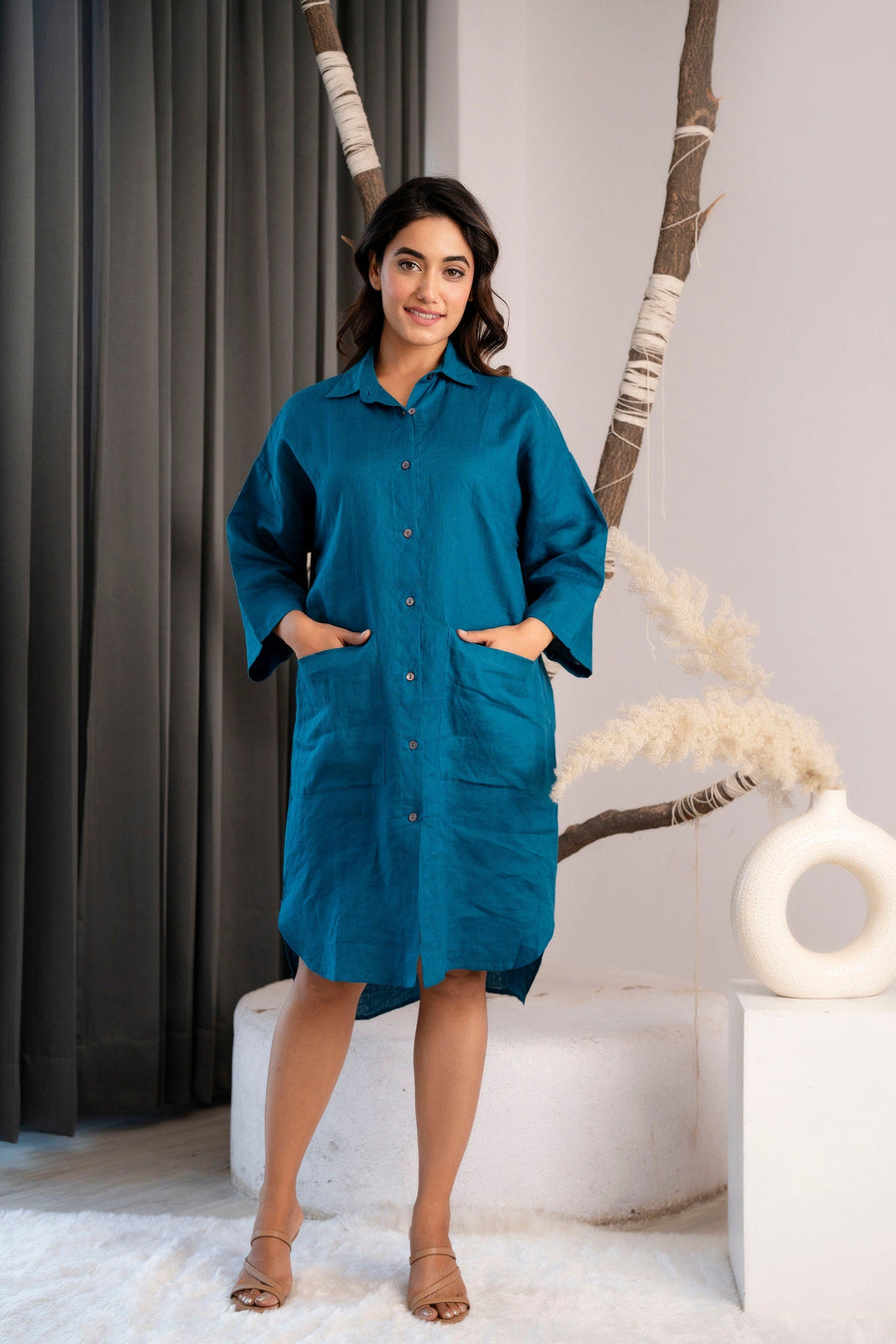
For hot, humid summer days, linen is usually the cooler and more comfortable choice, because it breathes well and dries faster than cotton. Cotton is softer from the first wear and creases less, so it wins for softness and for a neater look.
Neither fabric is better in every case. This guide compares them on the things that decide summer comfort: heat, moisture, softness, creasing, durability, care and cost, and it says plainly where cotton comes out ahead.
Which is cooler in summer, linen or cotton?
Linen, in most conditions. Linen is spun from the fibres inside the stem of the flax plant. The fibres are long, and the cloth they make absorbs moisture from the skin and releases it quickly, so it does not cling to you on a sticky day.
Cotton also absorbs moisture, but it tends to hold on to it for longer. A damp cotton shirt can stay damp and feel heavy in humidity, while linen dries fast and feels lighter against the skin.
One honest caveat: weight and weave matter as much as the fibre. A heavy linen can feel warmer than a light cotton voile. Our women's pieces are cut in a medium weight linen that drapes without going sheer, and our men's shirts are around 200 gsm. Our journal has more on whether linen is good for hot, humid weather.
Which is softer, linen or cotton?
Cotton, on day one. A new cotton shirt is usually soft straight away. New linen has a little crispness, and it relaxes over the first few washes and keeps softening after that.
If you want a fabric that feels soft the moment you put it on, cotton is the easier choice. If you are happy to wait for it, linen tends to become the piece you reach for every day.
Which wrinkles more?
Linen. The fibre has very little natural elasticity, so a fold stays put until moisture or heat resets it. Cotton creases too, but generally less, and cotton knits barely crease at all.
A linen garment that never creased would be a blend, so creasing is part of the look. Some people love that relaxed finish and some do not. If you need a crisp, uncreased shirt for a formal office, cotton or a blend may suit you better. Read an honest answer on linen wrinkles before you decide.
Which lasts longer?
Linen is one of the strongest natural fibres, and it is stronger wet than dry, which is why a well made linen piece can last for years. Good cotton also lasts, but quality varies a lot between a thin, cheap weave and a dense, well made one. Construction and how you wash the garment matter as much as the fibre name.
How do they compare on care and shrinkage?
Both can shrink if you wash them hot or tumble dry them on high. For linen, cold or lukewarm water, a gentle cycle, mild detergent and low heat keep shrinkage to a minimum. Our men's shirting is pre-washed before cutting to reduce it further.
Full instructions are on our garment care page, and our journal answers does linen shrink in detail.
What about price?
Comparing prices across brands is unreliable, because weight, weave and how the garment is made vary so much. A better test is cost per wear: a piece you wear every week for years is cheaper than one you wear twice. We will not quote a general price gap, because we would be guessing.
When is cotton the better summer choice?
- You want softness from the first wear.
- You need a smoother, less creased look for work or formal settings.
- You want stretchy, close fitting pieces such as T-shirts and jersey basics.
When is linen the better summer choice?
- You live somewhere hot or humid and want a fabric that dries quickly.
- You are travelling and want clothes that look good relaxed rather than pressed.
- You like a fabric that softens and improves with washing.
- You want dresses, shirts and co-ord sets with an easy, lived in drape.
What about a linen cotton blend?
A blend can be a little softer and creases a little less, but it has less of pure linen's character. We name the fabric on every product page, and one skirt in our range is a linen cotton blend. If a piece matters to you, check the fabric line before ordering.
How to buy linen so it feels cool
- Choose a medium weight that drapes without going sheer.
- Leave room to move. Air moving between cloth and skin is what keeps you cool, so avoid a tight cut.
- Consider lighter shades. Pale colours reflect more sun than dark ones.
- Get the fit right. Every piece we sell is cut after you order it, in a standard size from XS to 3XL or to your own measurements.
To see what that looks like, browse our linen dresses and linen shirts, or start with the teal linen tunic top or the relaxed fit linen tunic dress. For men, see the men's pure linen button-up shirt.
Frequently asked questions
Is linen cooler than cotton?
In most hot and humid conditions, yes. Linen absorbs moisture and dries quickly, so it clings less than cotton. Weight and weave also matter, so a heavy linen can feel warmer than a light cotton.
Is linen scratchy?
New linen has a little crispness, but it softens with each wash. It is generally not scratchy once it has been washed a few times.
Does linen shrink more than cotton?
Both can shrink in hot water or a hot dryer. Washing linen in cold or lukewarm water and drying it on low heat keeps shrinkage to a minimum.
Is a linen cotton blend a good compromise?
It can be. A blend is usually a little softer and creases a little less, but it has less of the look and feel of pure linen. Check the fabric named on the product page.
Which should I choose for a holiday in the heat?
Linen is usually the better choice for hot, humid travel because it dries fast and looks good relaxed. Pack cotton for the moments when you want a crisper, uncreased look.