Is Linen Good for Hot, Humid Weather? An Honest Look
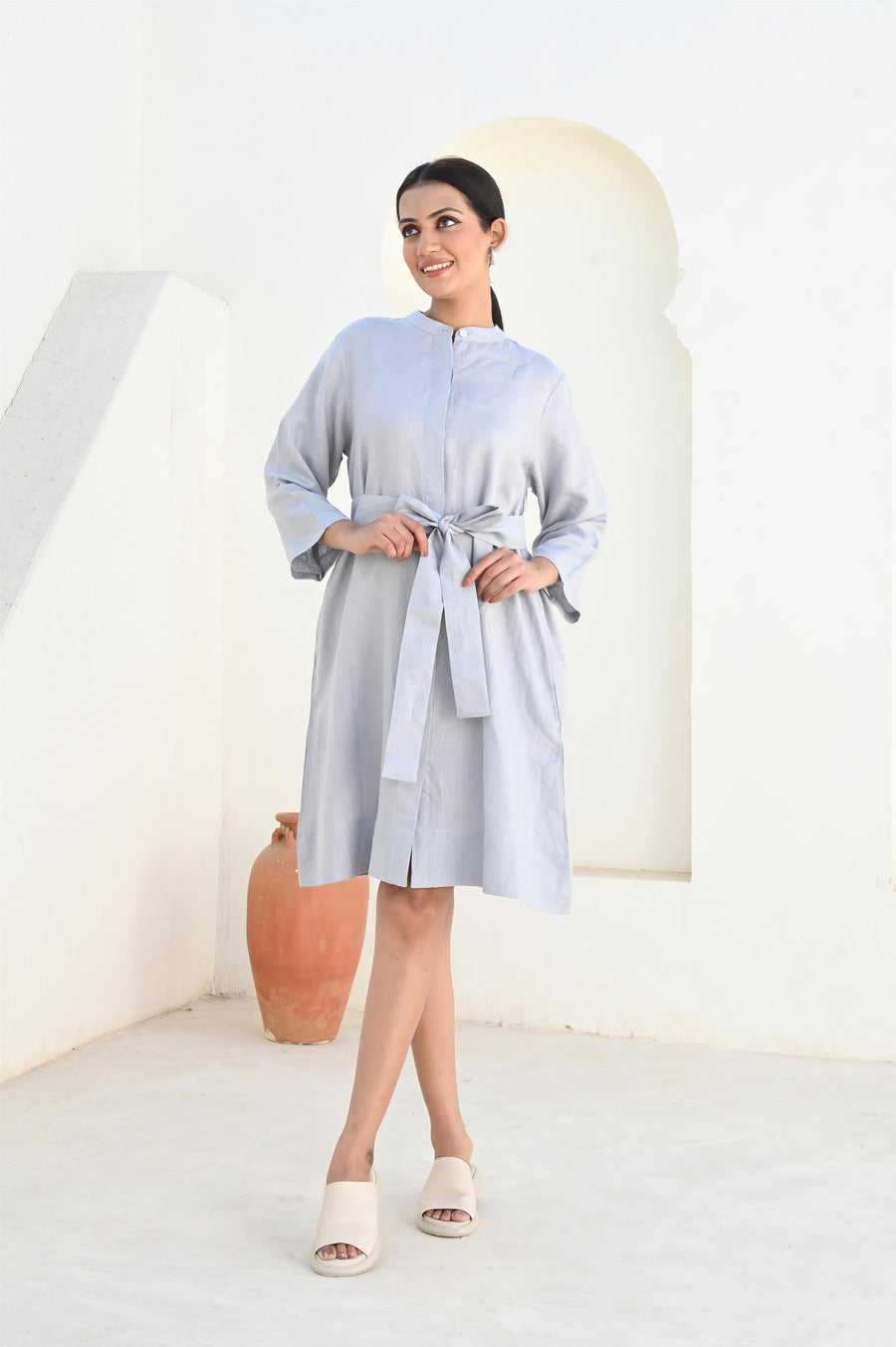
Yes. Linen is one of the best fabrics you can wear in hot and humid weather, and in most climates it beats cotton. It is not magic, though, and a badly chosen linen garment can still feel warm. Here is why it works and what to look for.
Why linen feels cool
It breathes. Linen is woven from flax, a thick and stiff fibre. The yarns do not pack as tightly as cotton, so air moves through the cloth instead of sitting against your skin.
It handles sweat well. Flax absorbs moisture readily and lets it evaporate quickly. In humid heat that matters more than anything else: a fabric that stays damp against you feels hot and clingy, one that dries fast does not.
It stands away from the body. Because the fibre is stiff, linen tends to hold its shape slightly off the skin rather than clinging. Less contact means less trapped heat.
Linen against the alternatives
- Cotton is softer and cheaper, and a light cotton voile is comfortable. But cotton holds moisture longer, so in real humidity it tends to feel damp and heavy by afternoon.
- Viscose and rayon feel cool to the touch at first and drape beautifully, but they cling when damp and show sweat readily.
- Polyester, including most performance blends, traps heat unless it is engineered for sport. For everyday clothing in heat it is the worst of the four.
Linen's honest weaknesses: it creases (we wrote about that separately), it feels crisp rather than soft when new, and it usually costs more than cotton.
Four choices that change how cool it feels
1. Weight. Very light linen is the coolest but is often sheer and creases badly. Heavy linen is lovely in spring but warm at 35°C. Medium weight, around 200 gsm, is the practical middle for daily wear in heat. Our men's shirting is 100% OEKO-TEX certified European linen at approximately 200 gsm, and our women's range is medium weight OEKO-TEX 100 certified pure linen.
2. Cut. Loose beats fitted, every time. A relaxed dress, a wide leg trouser or an easy shirt lets air circulate. The same fabric in a close cut feels noticeably warmer.
3. Colour. In direct sun, lighter colours reflect more heat. In shade it matters much less than people think. Darker linen hides sweat marks better, which is a fair reason to choose it.
4. Sleeves. Counter intuitively, a loose long sleeve in linen can be cooler in strong sun than bare arms, because it shades the skin. That is why loose long sleeved linen is traditional in hot climates.
What to wear
- A loose midi or tunic dress: see linen dresses.
- Wide leg or relaxed trousers: see linen bottoms.
- A relaxed linen shirt worn open over a vest, or on its own: see men's linen and women's linen shirts.
- A matching set, which gives you three outfits for one purchase: see co-ord sets.
The verdict
For heat and humidity, a loose, medium weight pure linen garment in a light or mid colour is about as comfortable as everyday clothing gets. Choose it for breathability and fast drying, accept the creasing, and avoid tight cuts that throw away linen's main advantage.
Where to see it in linen
For hot weather, good places to start are the teal linen tunic top, the high waisted linen shorts and, for men, the pure linen beach shirt. Each comes in a medium weight linen and can be cut to your measurements.
Frequently asked questions
Is linen cooler than cotton?
In most hot and humid conditions, yes. Linen lets more air through and dries faster, so it feels less damp and clingy than cotton by the end of a hot day.
Does linen show sweat?
Less than most fabrics, because it dries quickly, but light colours can still show damp patches. Darker or mid tones hide them better.
What weight of linen is best for summer?
Medium weight, around 200 gsm, suits most people: cool enough for heat, opaque, and less prone to heavy creasing than very light linen.
Is linen good for humid tropical climates?
Yes. Humidity is where linen outperforms cotton and synthetics most, because it absorbs moisture and releases it quickly instead of staying damp.
Should I wear linen fitted or loose in the heat?
Loose. A relaxed cut lets air move between the fabric and your skin, which is a large part of why linen feels cool.