Does Linen Wrinkle? An Honest Answer
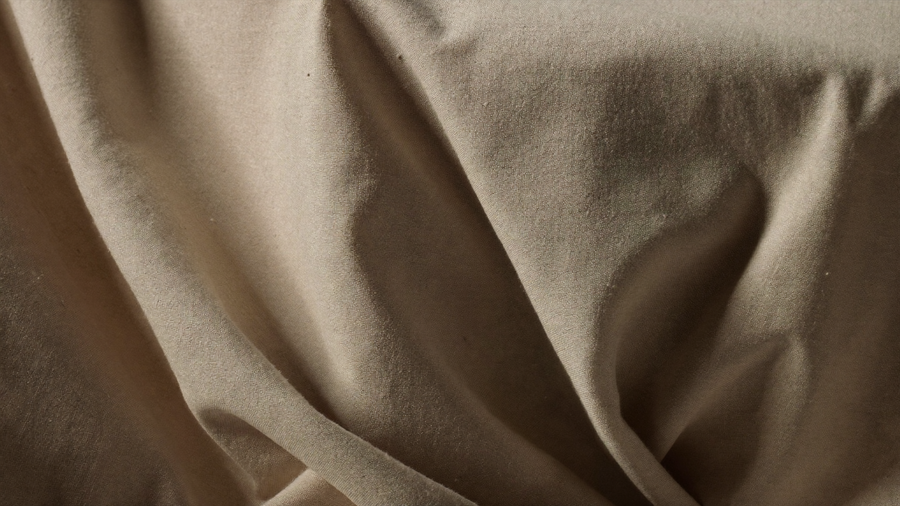
Yes. Pure linen wrinkles, and it will keep wrinkling for as long as you own it. Any shop telling you otherwise is either selling a blend or selling a chemical finish.
We sell pure linen, so this is not a comfortable answer for us to give. It is still the correct one, and knowing it up front is the difference between loving linen and feeling misled by it.
Why linen creases
Linen is made from flax. Flax fibre is strong, hollow and highly crystalline, which is exactly what makes linen breathable and cool in heat. That same fibre structure has very little natural elasticity, so when it bends, it does not spring back the way wool or polyester does. The fold stays.
The properties people want from linen and the property they complain about come from the same place in the fibre. You cannot remove one without losing the other.
What "wrinkle free linen" usually means
Three things, and it is worth knowing which one you are buying:
- A blend. Linen mixed with cotton, viscose, rayon or a little elastane. These genuinely crease less. Honestly, if creasing is your main concern, a linen cotton blend is a reasonable purchase and we would rather you bought one than bought pure linen and regretted it. The tradeoff is that blends breathe less well, drape differently, and do not soften with age the way pure linen does.
- A resin or easy care finish. A chemical treatment applied to the fabric to hold fibres in place. It works, it reduces breathability, and it wears off over repeated washing.
- Marketing. Sometimes the phrase just means the fabric is heavier or more tightly woven, which does reduce visible creasing, without anything else being done to it.
What actually reduces creasing in pure linen
Weight. Heavier linen creases less visibly than featherweight linen. A medium weight fabric around 200 gsm sits in a useful middle: cool enough for summer, substantial enough that it does not crumple the moment you sit down. Our men's shirting is 100% OEKO-TEX certified European linen at approximately 200 gsm.
Washing and softening. New, unwashed linen is stiff, and stiff linen creases sharply. Washed linen relaxes, and the creases it forms are softer and rounder rather than knife edged. Our men's linen is pre-washed to reduce shrinkage, and pure linen generally improves in hand and drape over the first several washes rather than degrading.
Cut. A relaxed or oversized cut hides creasing. A tight cut displays it, because the fabric is under tension across the body all day.
How to care for linen so it looks its best
- Machine wash cold or lukewarm on a gentle cycle. Hot water is the main cause of shrinkage and fibre damage.
- Do not overload the drum. Linen needs room to move. Packed washing is where the deep set creases come from.
- Take it out the moment the cycle ends. Linen left sitting damp in a heap will set every fold it is lying in.
- Hang it damp on a padded or wide hanger and let gravity pull most of the creasing out as it dries. This single habit does more than ironing.
- Skip the tumble dryer where you can. High heat shrinks linen and roughens the fibre.
- Steam rather than iron for a quick refresh. If you do iron, iron while slightly damp, on the reverse, with steam.
- Store hanging, not compressed. If you have to fold, roll instead, which avoids sharp permanent creases along fold lines.
The honest verdict
If you want a garment that looks pressed at 6pm exactly as it did at 8am, do not buy pure linen. Buy a blend, and buy it from somebody who tells you it is a blend.
If you want a fabric that is genuinely cool in heat, gets softer every year, and carries a relaxed creasing that most people read as the point rather than the problem, pure linen is worth it. The creasing is not a fault in the garment. It is what the fibre does.
Nearly everything we make in linen is medium weight OEKO-TEX 100 certified pure linen, cut to order in our unit in India, and the fabric is named on every product page. You can see the range in women's linen and men's linen, or send your own measurements through the custom order page.
Where to see it in linen
If you like the relaxed, lived in look of linen, these show it well: the oversized long sleeve linen shirt, the black linen button-down shirt and, for men, the bohemian linen shirt. Each is cut after you order it, to a standard size or your measurements.
Frequently asked questions
Does linen stop wrinkling after washing it a few times?
It does not stop, but it changes. Washed linen softens, and softened fabric forms rounder, less sharp creases than new stiff linen. Most people find their linen looks better after five or six washes than it did new.
Is heavier linen less wrinkly than lightweight linen?
Yes, generally. Heavier and more tightly woven linen holds its shape better and shows creasing less. Very lightweight linen is cooler but crumples more visibly.
Can I put linen in the dryer?
You can, but we would not. High heat is the main cause of linen shrinkage and it roughens the fibre over time. Hanging damp gives a better result and costs nothing.
Should I buy a linen blend instead?
If creasing genuinely bothers you, yes. A linen cotton blend creases noticeably less. You give up some breathability and the way pure linen softens with age, but it is a fair trade if a crisp look matters more to you.
Does ironing damage linen?
Not if done properly. Iron while the fabric is slightly damp, use steam, and press on the reverse side. Ironing bone dry linen on high heat with no steam is what scorches and shines the surface.